

Clearer use of engineering capacity
Make the opportunity, uncertainty, and potential value visible so leaders can choose where to concentrate limited specialist time.
Solutions · By team
Strengthen the engineering decisions behind process stability, technical change, and learning that lasts.
THE PROCESS ENGINEERING REALITY
Two nominally matched chambers no longer behave alike. One develops a shift after maintenance, even though the documented recipe is unchanged.
The measurements show the difference. The harder task is explaining what changed across the equipment, materials, settings, and process history—and choosing where to investigate next.
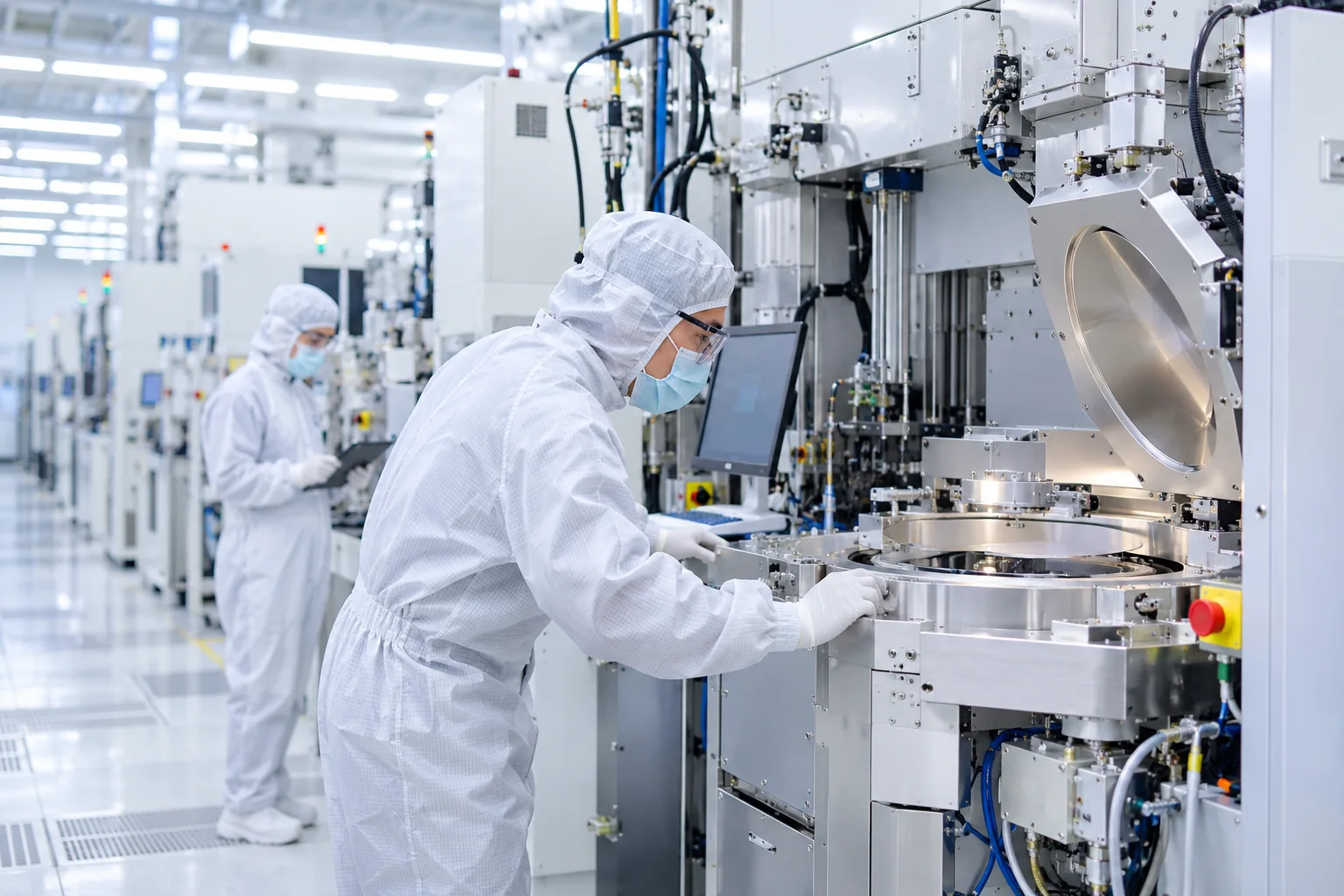
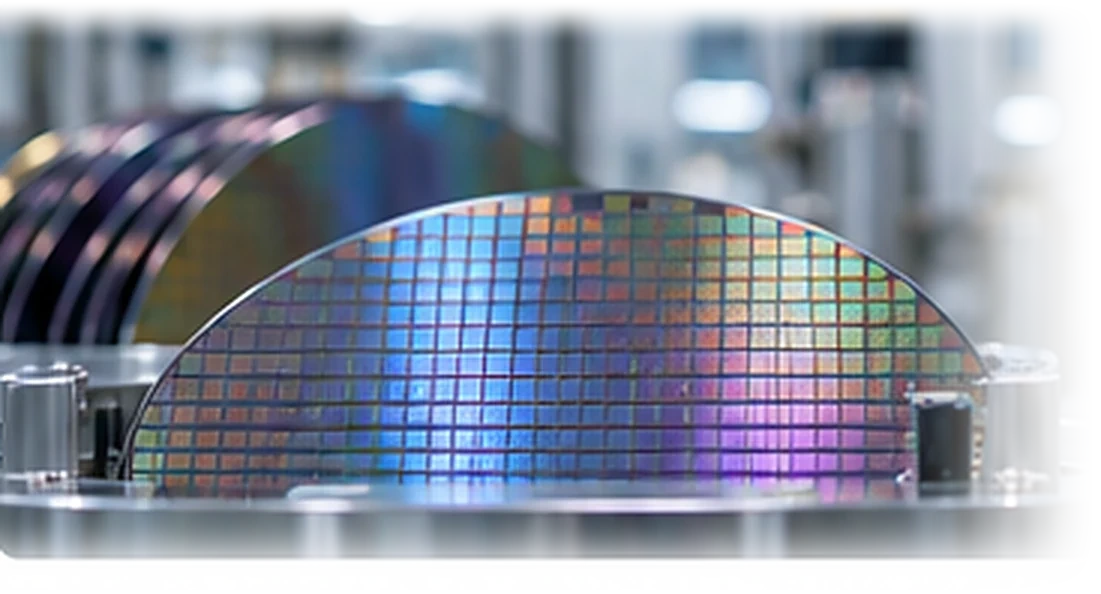
Experienced process engineers already have monitoring, metrology, tool histories, and technical expertise. But the most difficult situations seldom fit neatly inside one dataset or one equipment boundary.
The observations show a difference. Understanding what changed means weighing competing explanations, finding missing evidence, and deciding which questions to test next.
Illustrative chart without measured values. Before maintenance, the two chambers show comparable behavior. After the maintenance window, Chamber B shifts while Chamber A remains near its previous pattern.
Maintenance timing is a clue worth investigating, not proof of the cause.
Open each part of the investigation. The goal is to develop a shared technical picture before people commit to a course of action.
One etch chamber shows a shift in post-etch results after scheduled maintenance; the comparison chamber does not show the same change. The documented recipe is unchanged.
Still unknown: whether incoming material, metrology, chamber state, or another variable explains the difference.
Several lines of inquiry remain open:
These are hypotheses to test, not established causes.
Relevant questions might include matched-lot comparisons, equipment and maintenance histories, incoming-wafer context, metrology repeatability, and qualification evidence.
Engineers determine which tests are appropriate within fab procedures and safety constraints.
Engineers decide what to verify, what interim control or qualification is warranted, and which explanations the evidence supports. Managers decide priority and resource commitment. The organization executes and validates any process change.
WHERE PRIZ CONTRIBUTES
PRIZ is an Engineering Operating System that helps teams bring fragmented observations, discussions, evidence, and hypotheses into coherent engineering work.
It provides structure across an opportunity's development, while engineers maintain technical judgment and managers own priorities and resource decisions.
Explore how PRIZ worksCapture the observed shift, its value or risk, competing questions, unknowns, and ownership before an investigation becomes a major resource commitment.
Keep evidence, assumptions, comparisons, models, and alternative hypotheses together as the investigation and possible solutions evolve.
Retain decisions, rejected paths, explanations, and outcomes so later chamber-matching or process-change work can start with more context.
FOR PROCESS ENGINEERING LEADERS
The value of a disciplined investigation extends beyond resolving one excursion or qualifying one equipment change.
Make the opportunity, uncertainty, and potential value visible so leaders can choose where to concentrate limited specialist time.
Give technical leads a shared record of the evidence, assumptions, alternatives, and rationale behind their recommendations.
Carry useful investigation context into subsequent tool matching, maintenance, process transfer, and new-product work.
The organization remains responsible for implementing changes and verifying results. PRIZ supports the engineering work that informs those actions.
SPC/APC, FDC, MES, equipment controls, metrology, simulation, and analytics remain the appropriate systems for their respective measurement, monitoring, control, and analysis work.
PRIZ helps the team develop the Engineering Opportunity around those findings—organizing context, questions, technical reasoning, decisions, and retained learning.
Monitor process behavior, record operational history, support analysis, and manage equipment or production execution.
Provides continuity for investigation, shared understanding, solution development, and the reasoning behind engineering decisions.
PRIZ does not control equipment, automatically correct a process, or substitute for operational data systems.
COMMON QUESTIONS
No. Those systems remain responsible for operational monitoring, control, and execution. PRIZ supports structured engineering investigation and retained understanding.
No. PRIZ can help organize evidence, questions, alternative explanations, and engineering methods. Process engineers evaluate the technical evidence and decide which hypotheses are supported.
Engineering professionals remain responsible for technical judgments; managers and leaders own priorities and resource commitments. The manufacturing organization carries out and validates changes using its established procedures.
Yes. A chamber-matching question, recurring drift pattern, or difficult process change can be the starting point for a discussion about how PRIZ supports the team's reasoning and coordination.