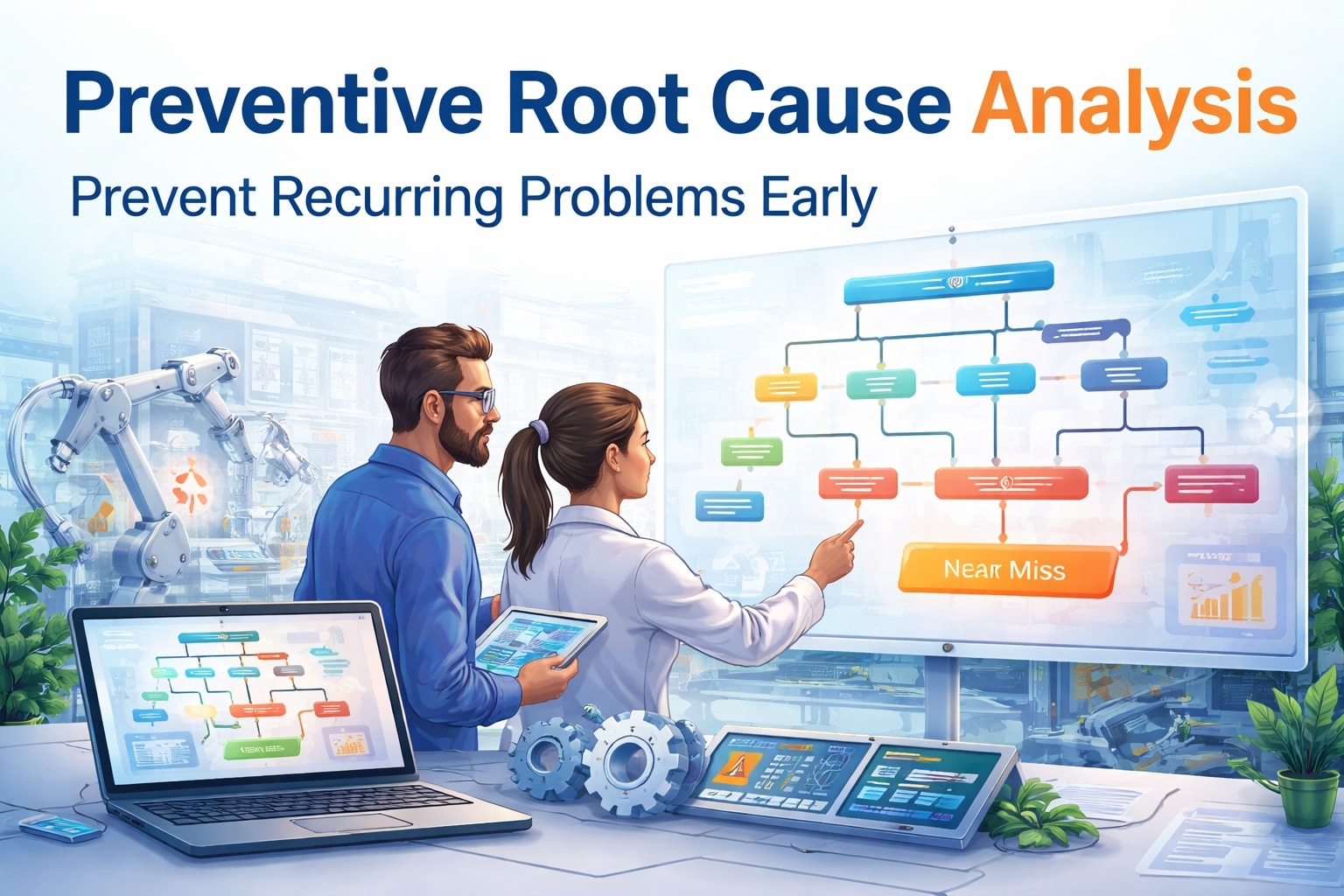
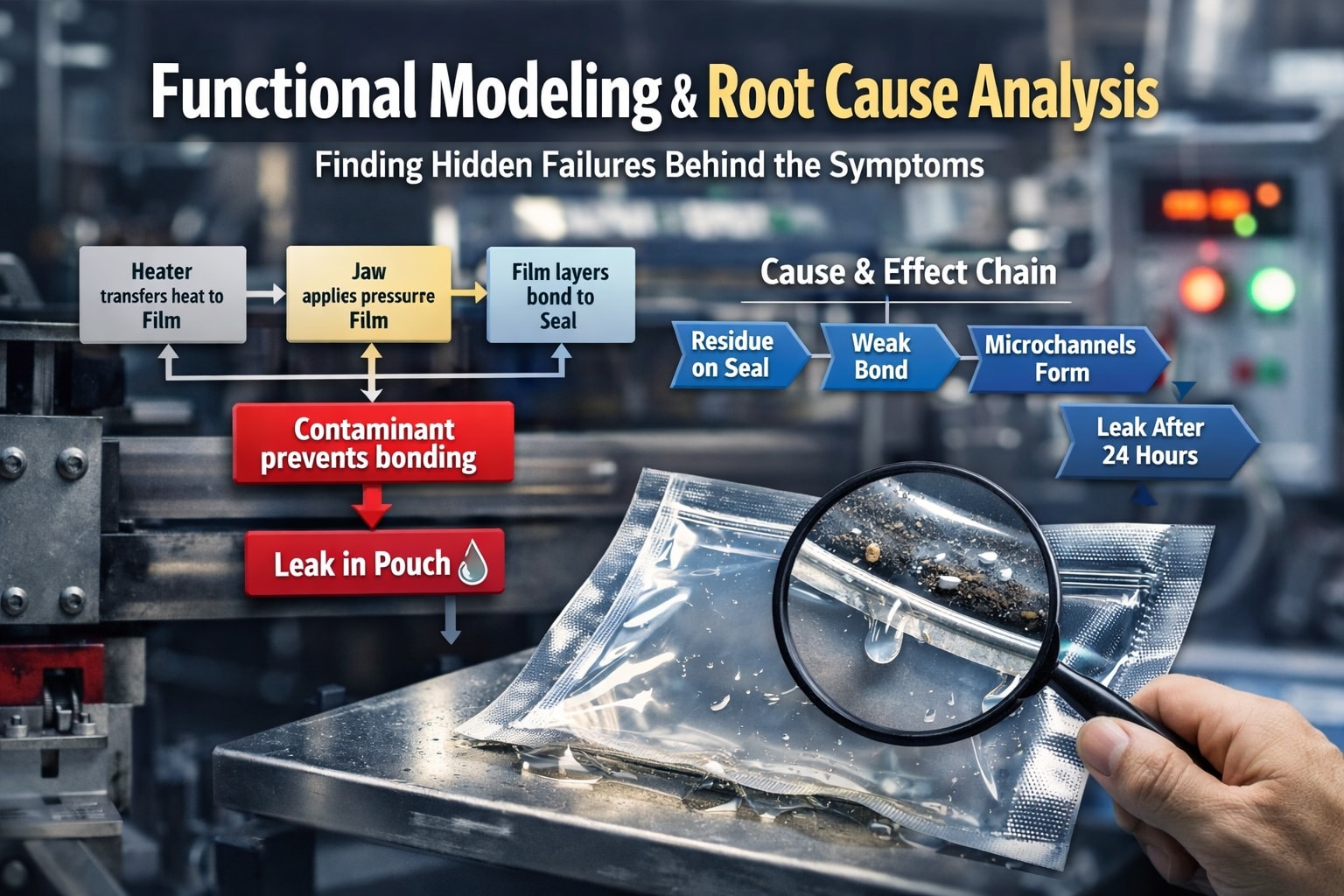
Quality teams run investigations every week. The differentiator comes from consistency: the same trigger rules, the same causal logic, the same evidence standards, and the same closure discipline across every site and supplier. When RCA becomes a repeatable capability inside the QMS, you gain two outcomes at once: fewer defects and cleaner compliance trails.
Standards and regulations reinforce this expectation. ISO 9001 clause 10.2 calls for reacting to nonconformities, determining causes, implementing actions, reviewing effectiveness, and retaining documented information on actions and results. In regulated sectors, CAPA rules go further by requiring investigation of causes, actions to prevent recurrence, verification or validation of effectiveness, and documentation of activities and results.

A QMS already defines controlled work: documented procedures, records, change control, training, audits, supplier controls, and management review. RCA connects the signals your system produces (deviations, NCRs, complaints, escapes, audit findings) to system-level improvements that reduce recurrence and strengthen compliance evidence.
In pharma, ICH Q10 describes a comprehensive pharmaceutical quality system model across the lifecycle and supports continual improvement alongside GMP expectations. In aerospace, AS9100D integrates ISO 9001 corrective action requirements and adds emphasis on causal analysis that considers human factors where applicable, reinforcing deeper cause determination beyond surface explanations.
Consistent RCA behaves like standard work. Each investigation produces the same set of artifacts, with clear ownership and measurable quality.
Teams define event categories that reliably launch RCA, then tie depth and urgency to risk. A simple model uses three tiers: containment-only events, structured RCA events, and full CAPA events with formal effectiveness verification. In medical device quality systems, CAPA regulations explicitly call for analyzing quality data sources and investigating causes of nonconformities relating to product, processes, and the quality system.
Containment actions create immediate control while keeping the investigation clean. QA/QC teams typically document scope (lots, dates, lines, suppliers), the containment mechanism (hold, quarantine, expanded inspection, temporary control), and confirmation that containment works.
High-quality RCA starts with a shared evidence baseline. The evidence pack usually includes a time-ordered timeline, stratified defect data (shift, tool, lot, supplier batch), process and equipment logs, inspection and metrology records, change history, and training or work-instruction revision history. This step accelerates cross-functional alignment because the team reasons from the same facts.
Different problems benefit from different tools, and many QA organizations run them in a sequence: broad cause discovery, then evidence-linked causal chains, then validation tests.
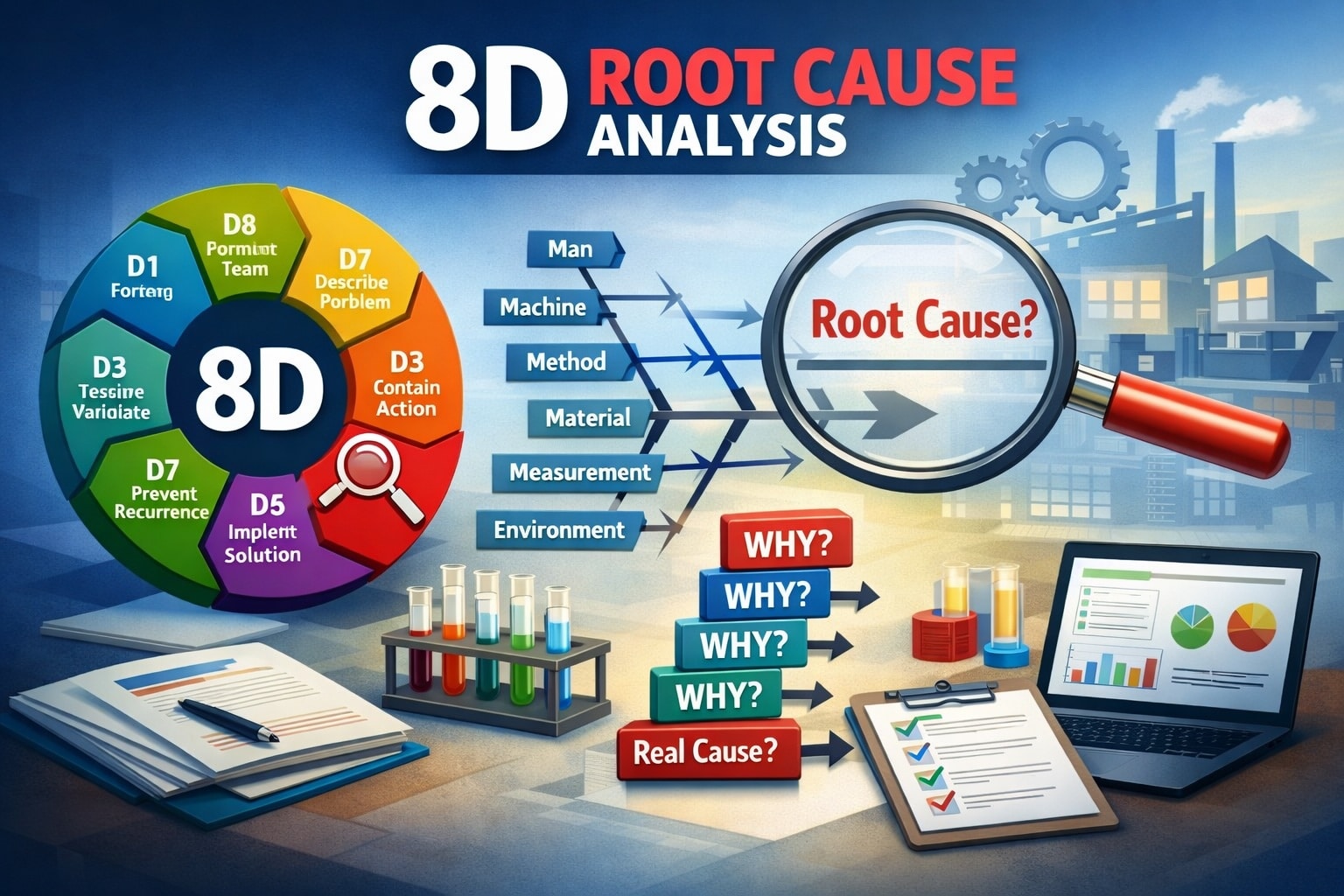
ASQ describes the fishbone diagram as a cause-and-effect tool that organizes potential causes into categories and supports structured brainstorming. ASQ also defines Five Whys as a questioning process that drills into underlying causes to reach root cause clarity. For high-impact events that require formal reporting, ASQ’s 8D framework provides a disciplined flow from containment through root cause determination and permanent corrective action selection, with verification and prevention steps built into the model.
A practical rule for QA/QC managers: treat every cause as a claim that earns evidence. Each causal step includes a reference to the data that supports it, plus a defined test that would confirm it.
Corrective action quality rises when each validated cause receives an action that neutralizes it. The mapping stays explicit: cause → action → verification method → effectiveness metric. CAPA requirements explicitly include verifying or validating corrective and preventive actions to ensure effectiveness and to ensure actions do not adversely affect the finished product.
Effectiveness checks translate “action completed” into “risk reduced.” QA/QC teams often use recurrence metrics over a defined window, SPC stability, audit follow-ups, supplier escape rates, and targeted layered process audits. ISO 9001 clause 10.2 also emphasizes reviewing the effectiveness of corrective action and retaining results as documented information.
The final value of RCA arrives when one investigation upgrades the system: control plans, SOPs, PFMEAs, training content, supplier requirements, and audit checklists. This step turns an event into a prevention asset.
Audit-ready RCA reads like a single chain of evidence: event definition, containment, causal logic, validation proof, action mapping, verification evidence, effectiveness results, and system updates. ISO 9001 explicitly calls for retaining documented information about the nature of nonconformities, actions taken, and results of corrective action. CAPA regulations require documented activities and results and include specific expectations for cause investigation, recurrence prevention, verification or validation, and management review inputs.
When these elements live across spreadsheets and email threads, audit preparation becomes a reconstruction exercise. When they live in one structured workflow, audit conversations stay focused on evidence and outcomes.
PRIZ Guru is designed to hold the full RCA story in one place: causal logic, linked evidence, corrective actions, and closure proof.
The platform supports structured RCA methods such as 8D-based workflows and evidence-driven root cause verification, including emphasis on escape analysis and verification expectations. It also provides tools like Cause & Effect Chain and 5+ Whys, with guidance on hybrid use for complex investigations and outputs that support documentation needs for compliance-driven environments.
For QA/QC managers, the practical benefit comes from continuity: each RCA stays traceable from initial event through CAPA closure, with a reusable template structure that supports consistent execution across teams.
A small set of metrics captures both quality performance and compliance strength: repeat nonconformity rate, CAPA effectiveness pass rate, time to containment, time to validated root cause, customer escape rate, repeat audit finding rate by clause, and supplier recurrence rate tied to SCAR actions. These metrics tie directly to the “effectiveness” expectations in ISO 9001 corrective action and in CAPA regulations.
In the first 30 days, define trigger rules, triage tiers, and standard deliverables. Train investigation leaders on evidence standards and cause validation. Establish a review cadence that focuses on evidence quality and action mapping.
By day 60, run a small pilot set of RCAs through the full workflow and tune the templates based on real cases. Build a simple dashboard around recurrence and effectiveness. Align supplier corrective action expectations with the same causal and evidence standards.
By day 90, expand across lines and external providers, integrate learnings into control plans and PFMEAs, and formalize management review inputs for RCA trends and systemic themes. The program becomes a system improvement engine rather than a case-by-case exercise.
RCA becomes a quality multiplier when it runs as a disciplined QMS capability: consistent triggers, evidence-first investigations, validated causes, mapped corrective actions, and effectiveness proof that upgrades the system. Aerospace and pharma standards reinforce this discipline through explicit expectations for corrective action control, cause determination, documentation, and human factors considerations where applicable.
Here are the references cited/relied on in the article: